






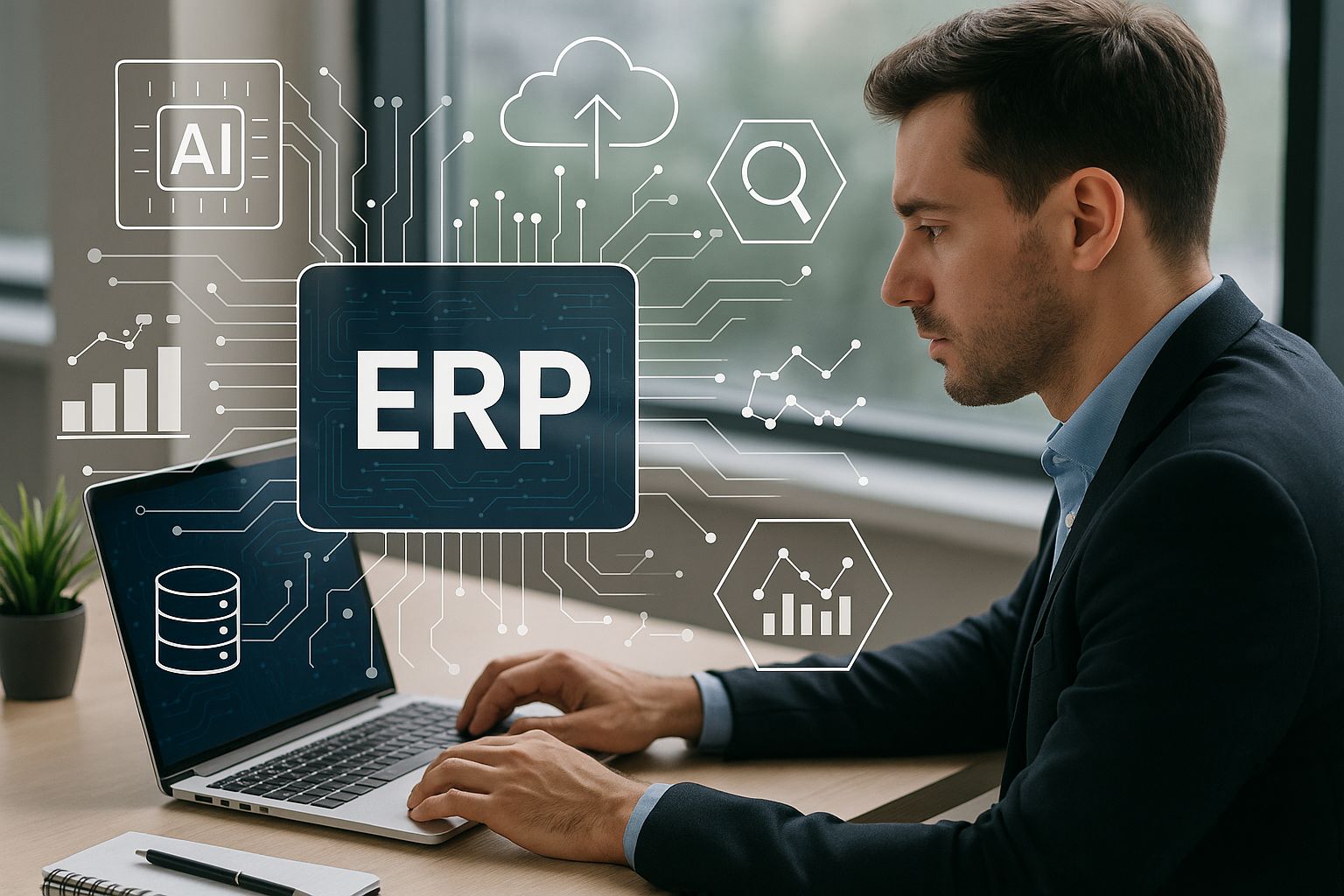
 Explore the latest trends in ERP systems, including AI integration, cloud computing, and enhanced user experience. Discover how these changes are set to transform business operations.
In today's rapidly evolving business landscape, the Enterprise Resource Planning (ERP) sector is experiencing transformative shifts that are redefining how organizations approach digital strategy and resource management.
One of the most prominent trends currently is the integration of artificial intelligence (AI) into ERP systems. AI-driven insights are enhancing decision-making processes by providing real-time analytics and predictive modeling capabilities. Companies such as Oracle and SAP are leading the charge, embedding AI to optimize supply chain management and financial forecasting. These advanced AI integrations are not only streamlining operations but are also minimizing human error and allowing organizations to anticipate market trends more effectively.
Cloud computing continues to revolutionize the ERP landscape, offering businesses scalable and flexible solutions. Cloud-based ERP systems are increasingly attractive to SMBs and large enterprises alike due to their reduced costs and maintenance compared to traditional on-premises systems. Major cloud providers like Microsoft Azure and Amazon Web Services are partnering with ERP vendors to deliver seamless, efficient cloud solutions that enhance operational efficiency while ensuring data security and compliance.
As sustainability becomes a core component of business strategy, ERP systems are also evolving to include sustainability metrics. Companies are leveraging ERP solutions to track environmental impact, manage resources more sustainably, and report on sustainability goals. This shift not only caters to regulatory demands but also aligns with the growing consumer preference for environmentally responsible brands.
User experience (UX) is also a critical focus, pushing ERP developers to revamp their interfaces to become more intuitive and user-friendly. A key example is the incorporation of mobile-compatible platforms, facilitating greater accessibility and enabling a remote workforce. Enhanced UX is equipping employees to interact with ERP systems more effortlessly, thereby increasing productivity and adoption rates.
With cybersecurity threats on the rise, robust security measures in ERP systems are non-negotiable. Vendors are increasingly focusing on integrating advanced security protocols to safeguard sensitive corporate data against breaches. Features such as multi-factor authentication and advanced encryption are becoming standard, ensuring that ERP systems remain a reliable pillar of enterprise operations.
The trajectory of ERP innovations is undeniably linked to the broader digital transformation sweeping across industries. As more organizations recognize the strategic value of ERP systems, it is likely that these platforms will continue to evolve, embracing the latest technological advancements to offer unprecedented value.
